

ELI member of the week: Maxime Thomas
eli | Louvain-la-Neuve
Every week, discover a new profile of a member of the Earth and Life Institute. This week, meet Maxime Thomas, postdoc in ELI-A and ELI-E. He’s good with drones.
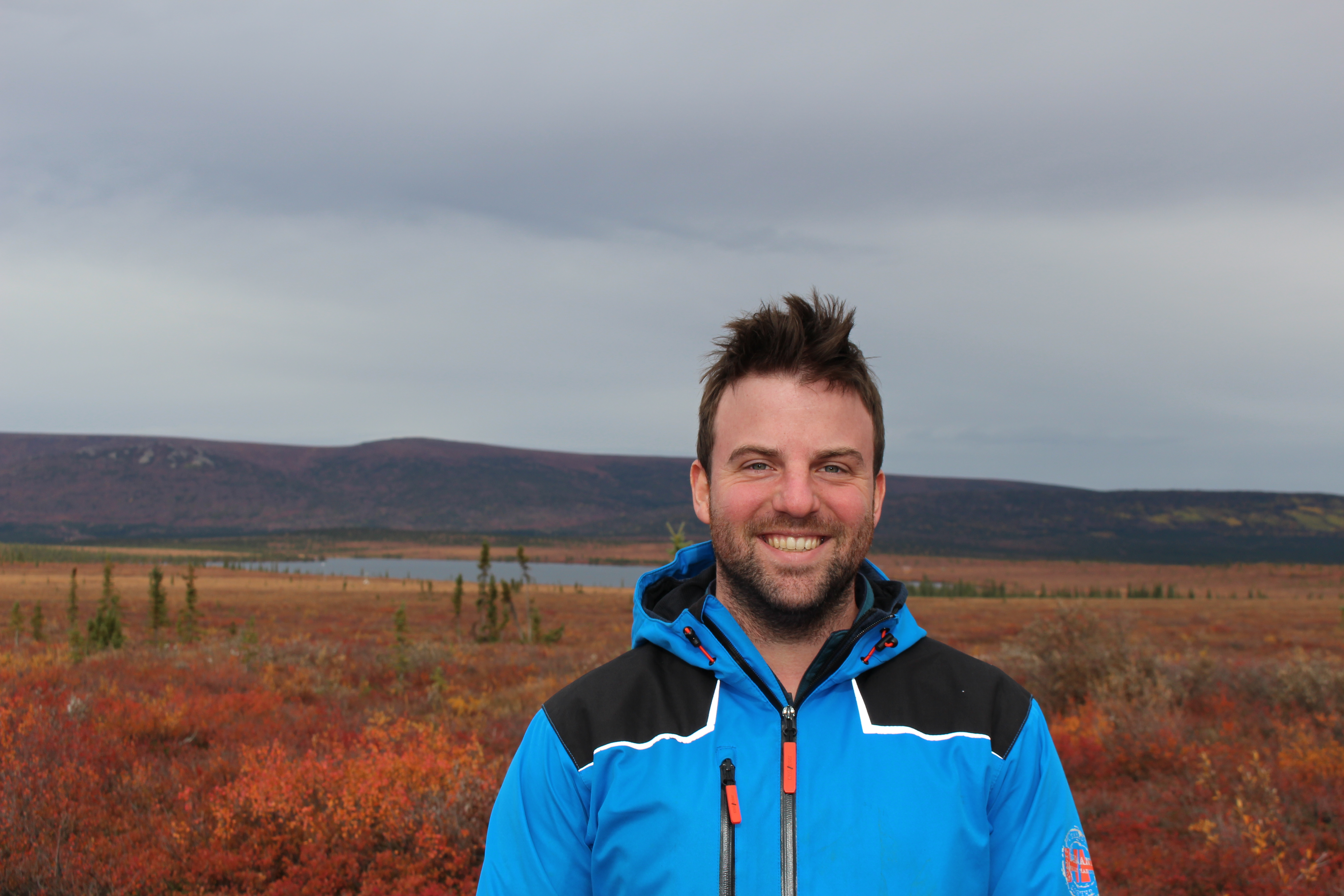
Could you briefly introduce yourself, your role, and the work you do in ELI?
My name is Maxime Thomas, I’m 30, and I love coffee, laughs, barbecues, biking, mountains and music.
I am a postdoc research assistant in ELIa & ELIe. I’m stationed at the PEPA lab in ELIa.
My role is to carry out and support research in phenotyping, envirotyping and remote sensing. In practical terms, this involves coordination, literature reviews, fieldwork, data processing, modelling, and scientific communication. I also supervise Master’s theses, which I particularly enjoy doing.
Could you tell us a little about your research team and your research topics?
I am currently working under the supervision of Xavier Draye and Pierre Defourny on the European Union’s Horizon Europe PHENET project. PHENET stands for “tools and methods for extended plant PHENotyping and EnviroTyping services of European Research Infrastructures”. Phenotyping is the quantitative & qualitative assessment of plant traits (e.g., plant height & architecture, grain yield per unit area) & envirotyping is the quantitative assessment of environmental factors that influence plant growth, development, and productivity (e.g., air & soil temperature, incident radiation, soil type).
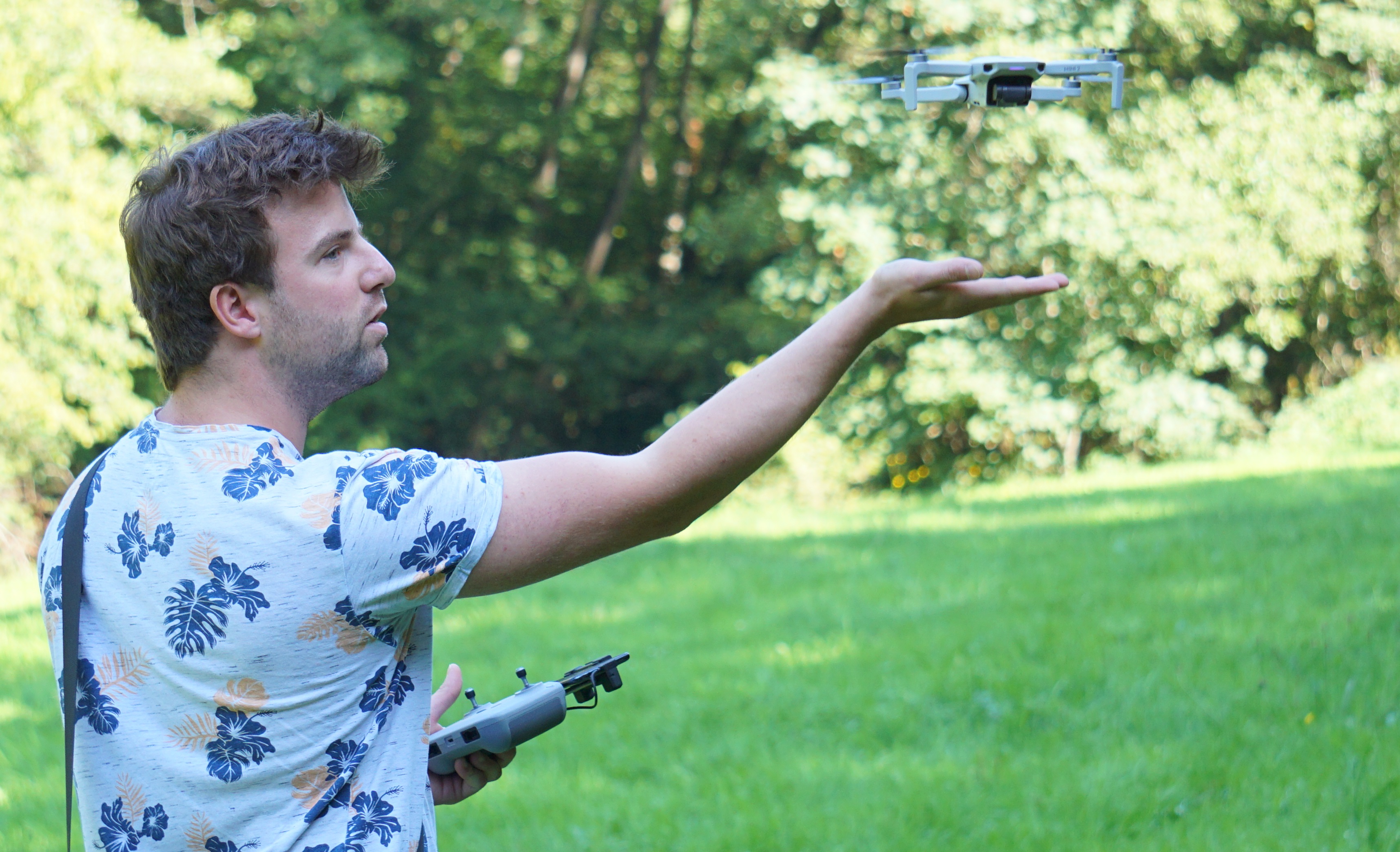
Basically, a large part of my time involves designing and calibrating ultra-low-cost instruments for field measurements that enable envirotyping and phenotyping automatically. My current work covers a wide range of tasks, including microelectronics soldering, spectroradiometry, drone surveys, and a great deal of data management & analysis (both from the field and from satellite).
What was your career path before taking up your current post in ELI?
I did a bachelor's and master’s degrees in biosciences engineering at UCLouvain in Environmental Sciences and Technologies, with an Erasmus at USherbrooke in Canada.
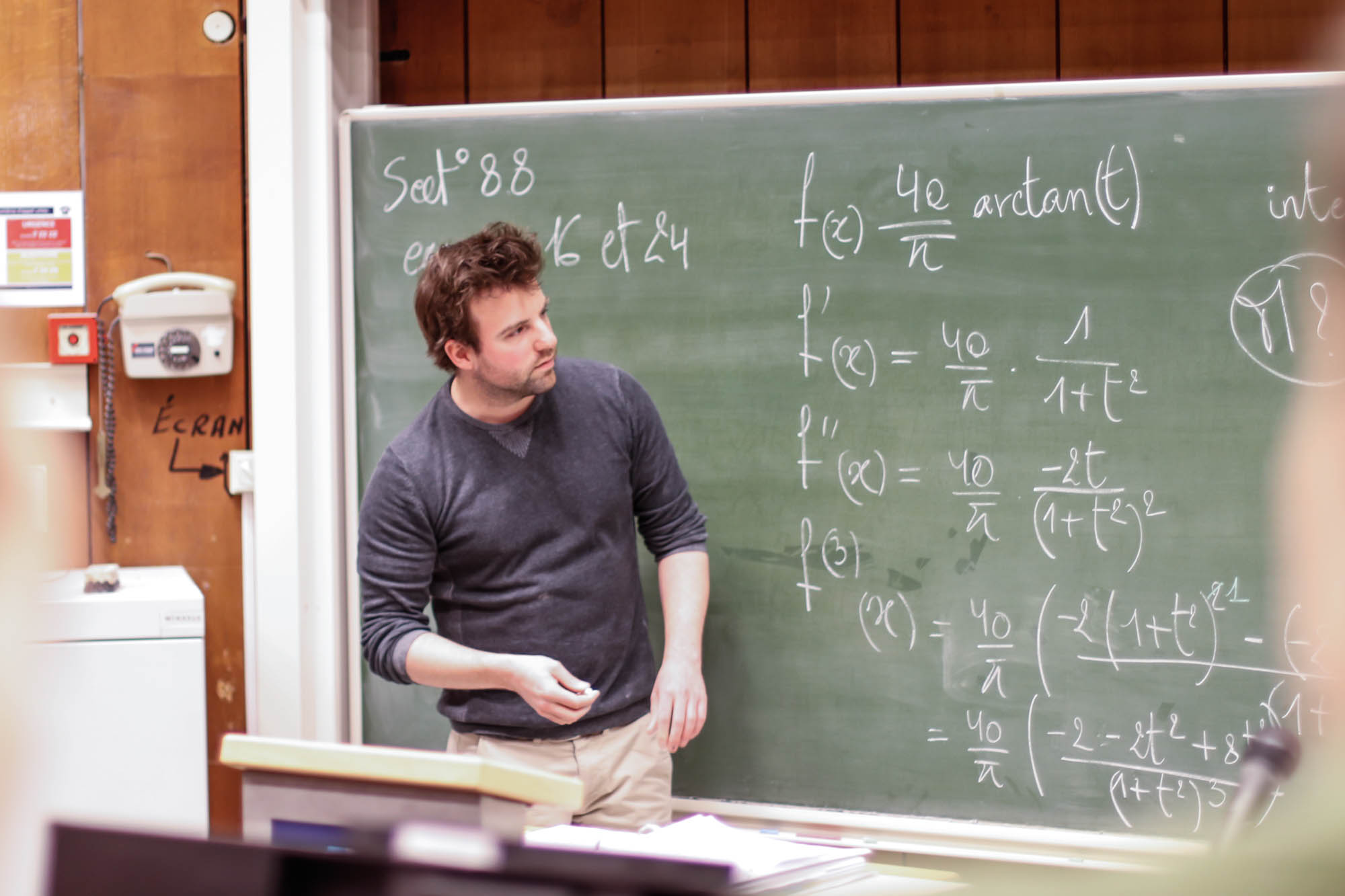
After graduating in June 2019, I spent six years working as a research and teaching assistant at the AGRO Faculty. There, I supervised practicals in mathematics, soil science, fluid and energy transfer, topometry and photogrammetry, smart technologies for environmental engineering, and pollution management, as well as coordinating the Master’s theses training.
In April 2025, I completed a PhD thesis in permafrost geochemistry under the supervision of Sophie Opfergelt (lab website) at the ELI-e department. My thesis contributed to quantify the abundance, nature and controls of mineral-organic carbon interactions in permafrost soils and sediments. Broadly speaking, the aim was to help constrain the permafrost-carbon-climate feedback, which is the extent to which carbon exposed by thawing permafrost amplifies climate change.
Along the way, I did fieldwork in Sweden and Alaska, extensive collaboration with excellent local and international teams, a lot of conference presentations, lab work, basic upscaling models and remote sensing.
I have also been involved in a number of service roles, namely as co-chair of the Teaching Assistants’ Association at the Faculty of Bioscience Engineering, member of the Faculty Board, member of the Doctoral Commission (CDD), and member of the ACELI and ELI-e boards.
In practical terms, what is your day-to-day life like?
Since I started my postdoc, I’ve been doing less teaching and service work and much more fieldwork and methodological development, which takes up a lot of time. Generally speaking, no two days are ever the same, as is the case with many of us in ELI. That’s one of the things I appreciate most about this job: you learn loads every day and you never get bored.
Do you have a hobby, a passion, a hidden talent, something you enjoy doing or care deeply about outside of work?
I really love music; I used to take singing lessons (a lot) and piano lessons (a bit less) when I was younger... yet it’s been ages since I actually performed. I also really enjoy spending time in nature and cycling.
Can you name one thing you particularly appreciate at the Earth and Life Institute?
What I like best by far is the working environment; I was lucky enough to do my PhD in an incredible lab full of lovely, caring people; for my postdoc, too – even though the vibe is very different – I’ve ended up in a lab that’s just as great, as illustrated by the message displayed upon entry:

It’s extremely rare for me to go to work without a smile on my face.