

ELI member of the week: Nicola Mauro
eli | Louvain-la-Neuve
Every week, discover a new profile of a member of the Earth and Life Institute. This week, meet Nicola Mauro, PhD candidate in ELI-V. He’s chasing butterflies.
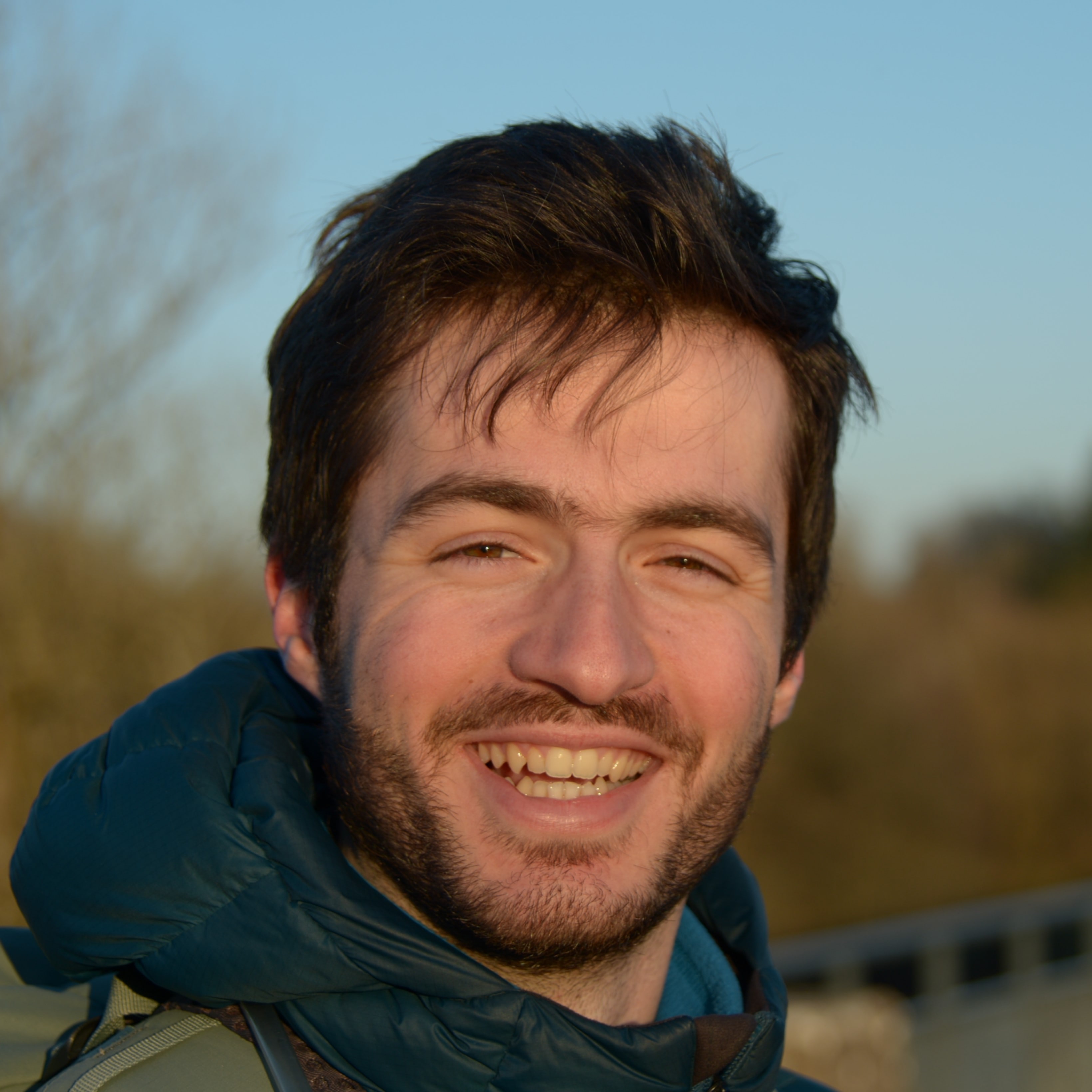
Could you briefly introduce yourself, your role, and the work you do in ELI?
Nicola Mauro, scientific staff, ELI-V, PhD student and teaching assistant for the Faculty of Sciences.
Could you tell us a little about your research team and your research topics?
I am part of the Behavioural Ecology and Conservation Group, headed by Prof. Hans Van Dyck. Our team addresses basic and applied ecological and evolutionary research questions that often relate to animal behaviour.
In recent years, one of our main goals has been to better understand the impact of human-induced rapid environmental change on organisms by adopting sensory ecological approaches that take the organism’s perception of the environment.
We work mainly with butterflies as study models, but also with other species including moths, grasshoppers, birds and chimpanzees.
As part of my PhD-thesis, I focus on how butterflies maintain their body water balance under climate change (i.e., under drought stress). Insects are highly vulnerable to desiccation, but they have evolved strategies to limit this risk. To gain a more integrated understanding, I examine this issue across the entire life cycle of individuals, comparing responses among species with different ecological profiles.
What was your career path before taking up your current post at ELI?
I completed a bachelor’s degree in Biology and then a master's degree in Biology of Organisms and Ecology, both at UCLouvain.
In practical terms, what is your day-to-day life like?
During the academic year, my time is split between research and teaching. I also try to actively take part in the life of my research pole and the institute, through various activities.
In the summer, I swap my computer for a butterfly net to go meet them in the field, and I also carry out experimental rearing.
Do you have a hobby, a passion, a hidden talent, something you enjoy doing or care deeply about outside of work?
I obviously really enjoy being in nature, trying to spot and identify insects and butterflies, especially in summer (I admit it's a cliché). I also do quite a bit of sport, particularly table tennis. I also try to be involved in more citizen-oriented projects, alongside work.
Can you name one thing you particularly appreciate at the Earth and Life Institute?
I really enjoy seeing the initiatives that emerge within the institute, sometimes with professional or scientific aims, sometimes lighter ones. I think they contribute greatly to its overall dynamism.