

Feeling Meeting, Activism, collective Action and Emotions
iacchos | Louvain-la-Neuve
In this sixth edition of the Feeling Meeting, we will explore the study of emotions within the context of activism and social movements. Drawing on qualitative research, the panellists will present perspectives on emotions from a subjective viewpoint, highlighting how activist experiences influence individuals’ reflections on their own emotions and how these experiences can transform personal identities. Case studies from Serbia, Chile, France, and Argentina will be shared and compared. Join us on https://www.youtube.com/@estudiossociologicos4627
Coordinated by Karla Henríquez UCLouvain (karla.henriquez@uclouvain.be)
Panellists:
 Daniela Jara is sociologist from the University of Chile, currently Director of the School of Sociology at the University of Valparaíso. She obtained her PhD in Sociology from Goldsmiths College, University of London. She was the principal investigator of the Fondecyt initiation project, “Human Rights Defenders: Global Narratives and Local Justice Practices in Contemporary Chile” (2022-2024). Her research interests include social memory studies; cultural studies; transitional justice; sociological theory. As a professor, she has taught courses such as Sociology of Culture, Modern Theory, Social Theory and Contemporary Issues, and most recently: Globalization, Capitalism and Culture. Her latest publication is Melancholy and Memory: The Generation of Cultural Trauma Carriers among Pinochet’s Children, published in the Latin American Research Review (Aguilera and Jara, 2025). She is affiliated with the Center for Interdisciplinary Studies on Memory, Political Culture, and Human Rights (CEI-MCPDDHH).
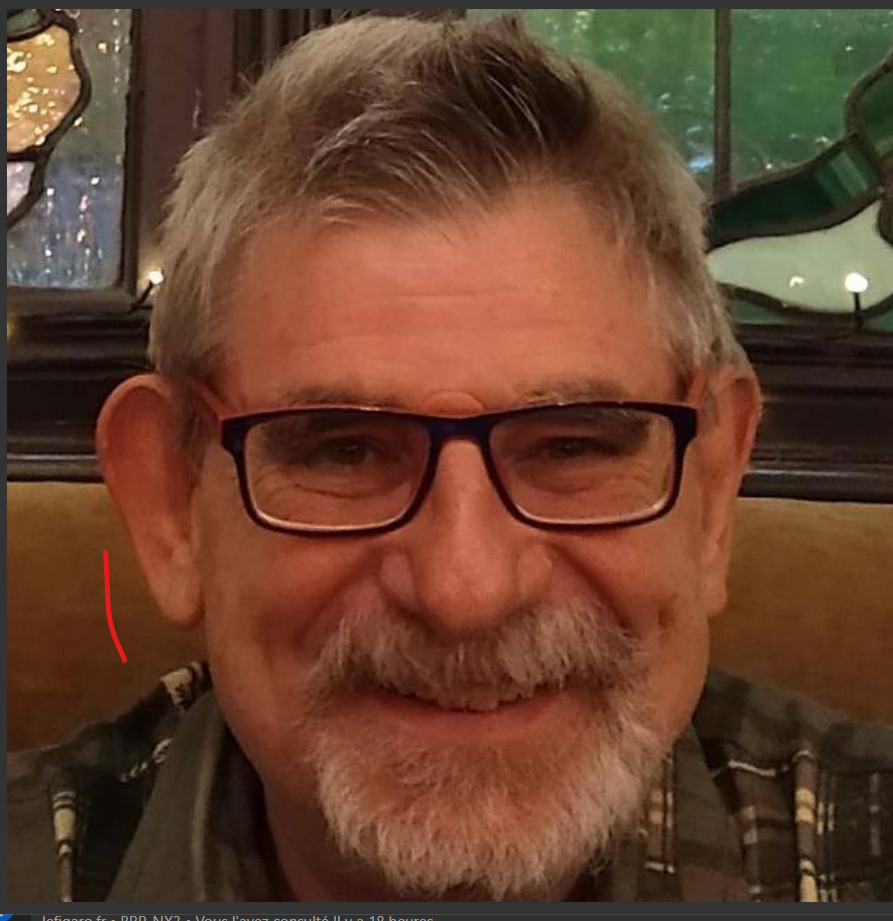 Adrian Scribano holds a PhD from the University of Buenos Aires and a Doctor Honoris Causa from the National University of the Altiplano in Peru. He is a Principal Researcher for Argentina's National Council for Scientific Research, Director of the Centre for Sociological Research and Studies, and leads the Program of Study of Bodies, Emotions and Society at the University of Buenos Aires.
He is the President of the International Network of Sociology of Sensibilities and has chaired relevant working groups in international sociological associations. A prolific editor of academic series, he has also been a visiting professor and scholar at numerous prestigious universities worldwide, including the University of Cambridge, University of California, Davis, and La Sapienza University in Rome.
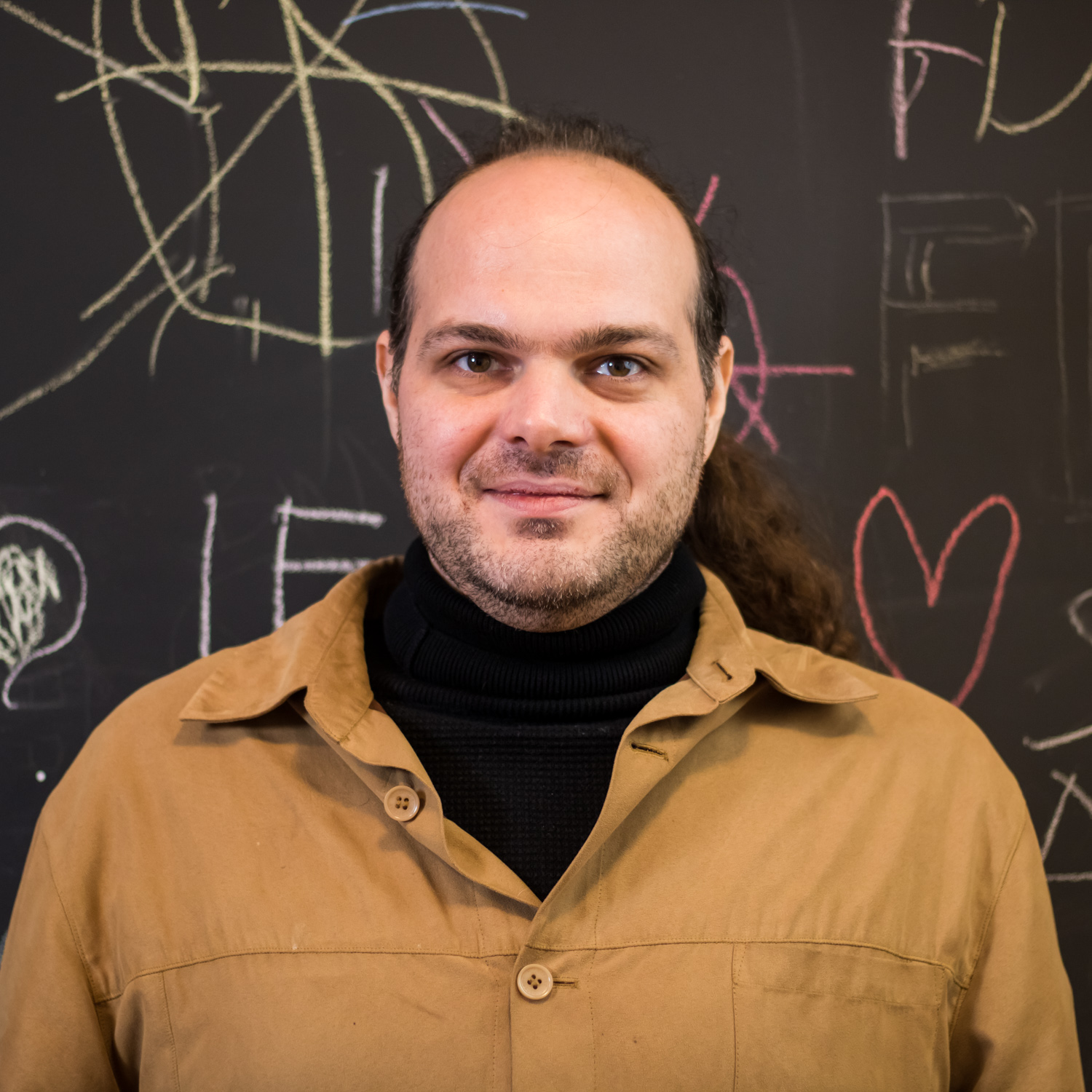 Igor Cvejić is a senior research fellow at the Institute for Philosophy and Social Theory (University of Belgrade). His primary areas of research include philosophy of emotions, theories of collective intentionality, social engagement studies and Kant’s philosophy. He has served as the editor-in-chief of the journal Kritika: Journal of Philosophy and Theory of Society. Recently he published a book Emotional engagement with the world: embodiment, logic, authenticity and social nature of emotions (in Serbian language), as well as many articles on the topic of philosophy of emotions including: Trust and ‘Being Moved’ as Forms of Engagement in Situations of Uncertainty (Philosophy and Society, 2023); Contingency and Social Change: Collective Engagement in Conditions of Radical Uncertainty (with S. Prodanović and M. Ivković, Journal of Theory of Social Behavior, 2022); Engagement with Future Generations: Unfulfilled Empathy (with P. Bojanić and T. Plećaš, Topoi, 2024), etc.
 Jean Le Goff is a psychosociologist affiliated with the Centre ESTA in Paris and holds a doctorate in sociology from Paris-Cité University. He works in the fields of ecology and social action, supporting professionals in work situations, helping them to reflect on their activities and crises, and supporting their capacity for action and cooperation. His research focuses on environmental activism, subjective experiences of environmental degradation, and the dynamics at work in organizations that integrate these issues into their activities. He is the author of Politiser l'éco-anxiété (Politicizing Eco-Anxiety, Editions du Détour, 2025) and co-editor of a special issue of the Nouvelle Revue de Psychosociologie, “Penser et intervenir face au désastre écologique” (Erès, 2024).
