

ELI member of the week: Annelies Sticker
eli | Louvain-la-Neuve
Every week, discover a new profile of a member of the Earth and Life Institute. This week, meet Annelies Sticker, PhD candidate in ELI-C. She's working on Arctic sea ice.
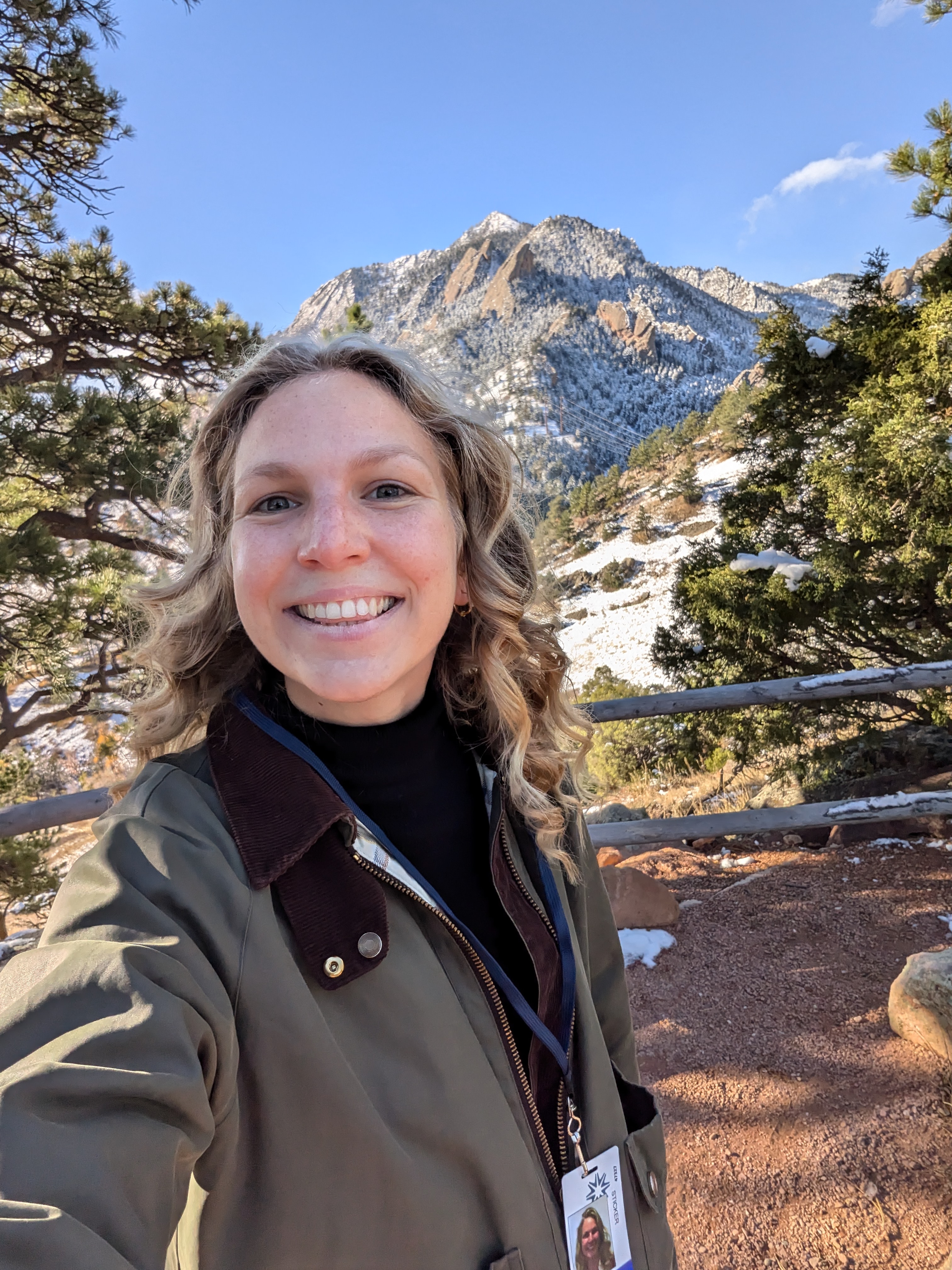
Could you briefly introduce yourself, your role, and the work you do in ELI?
My name is Annelies and I'm a PhD candidate at the Earth and Life Institute.
Could you tell us a little about your research team and your research topics?
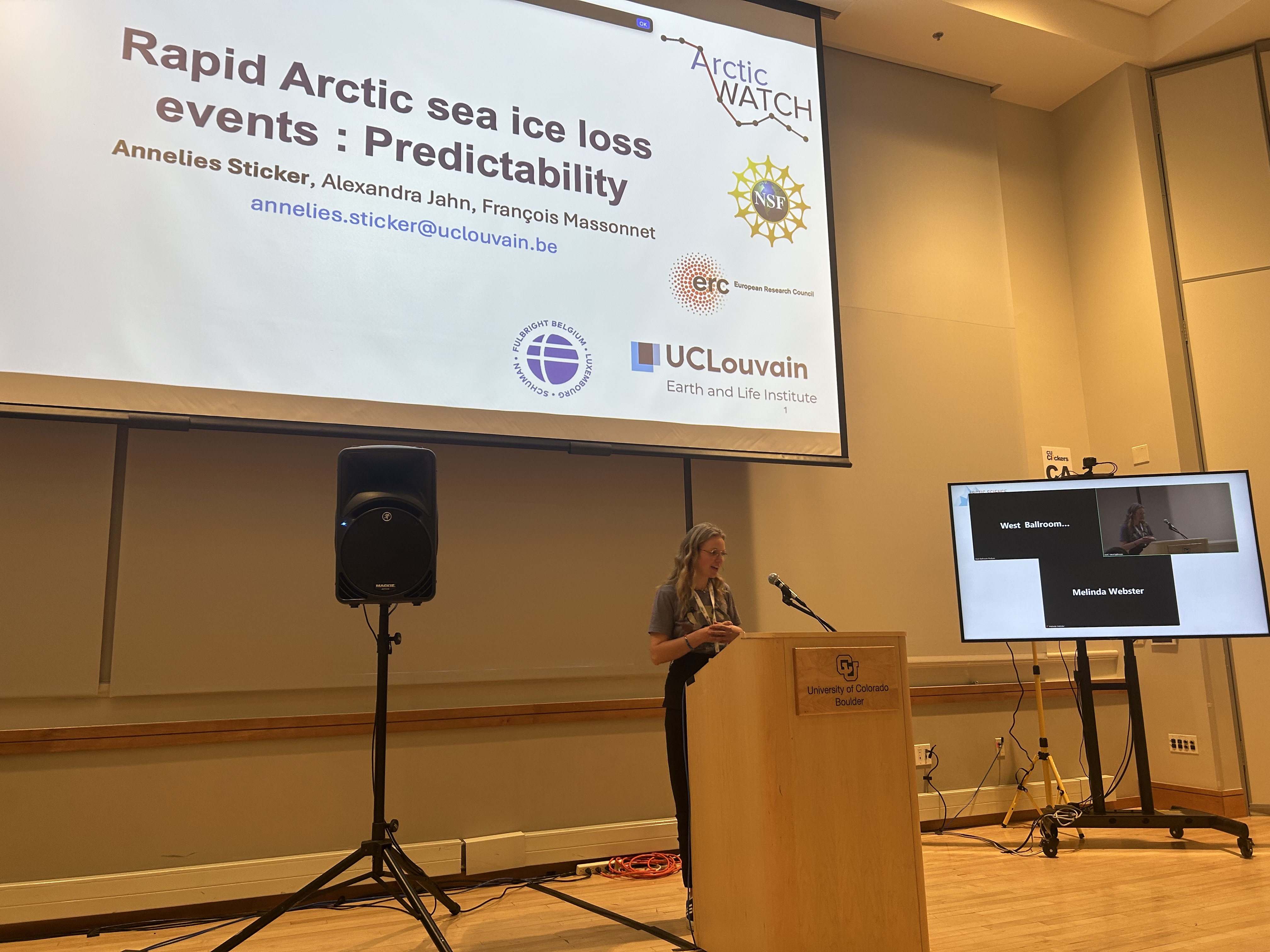
I'm part of François Massonnet and Thierry Fichefet's teams. Specifically, I'm part of the ArcticWATCH project. The objective of this project is to build an early-warning system that alerts on the possibility of rapid Arctic sea ice loss up to five years ahead.
Personally, I focus on CMIP6 projections of Arctic sea ice and the factors driving rapid retreat on subdecadal to decadal timescales, from the basic characteristics of these events (when and how they unfold) to the ice mass budget behind them, since Arctic sea ice is governed by a balance of thermodynamic (growth/melt) and dynamic (import/export) contributions. I also look at how internal variability, initial conditions, and external forcing shape their predictability.
What was your career path before taking up your current post at ELI?
Funny enough, I started a bachelor's in physical education, but quickly realized I missed doing mathematics. I looked for a program where I could keep learning math while applying it to something concrete, and found that climatology was possible through a physics bachelor's. So that's what I did, followed by a master in physics (climatology orientation), then a PhD that followed my master's thesis.
In practical terms, what is your day-to-day life like?
I'd say my daily life is mostly behind a computer doing data analysis, reading, and writing papers. But I think what I love the most about the researcher job is the chance to share your results and engage with the scientific community and the general public.
That's actually what pushed me to apply for a scholarship to do an international exchange. I realized there are a lot of opportunities for PhD students to get funding to visit and collaborate with other institutes (see this tool given by UCLouvain). I ended up getting a Fulbright scholarship for 7 months at the University of Colorado Boulder. It was an incredible opportunity, since Boulder is home to major climate institutions like NCAR and NSIDC, which are highly relevant to my research. I got to see how research is done in a different environment, and to share my work with many researchers and scientists there.
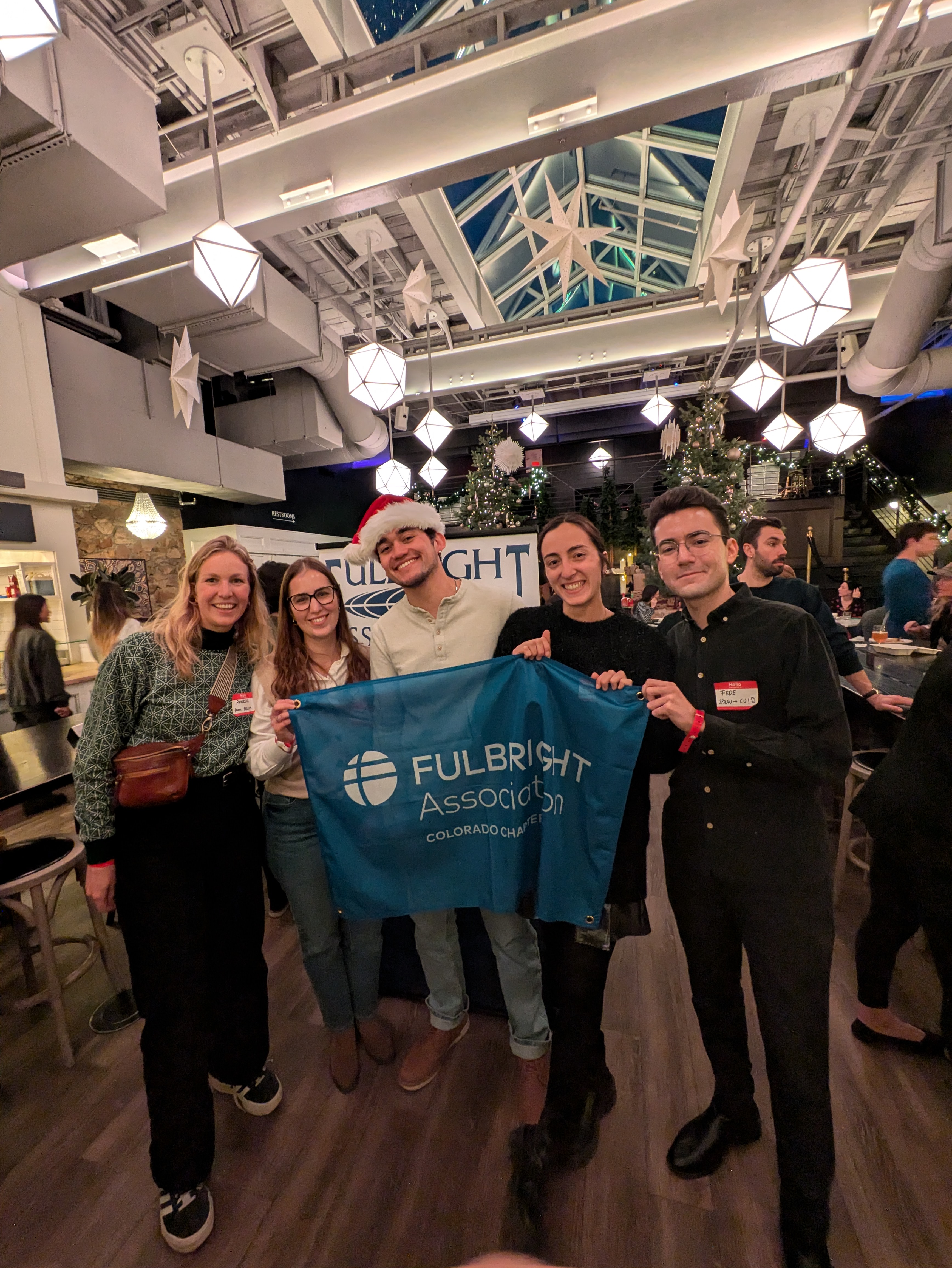
That experience shaped my work and improved it a lot. I'd really recommend it to any PhD student, it fosters collaboration, builds resilience and adaptability, and benefits everyone involved. That's my favorite part of daily life as a researcher: collaborating, sharing my work, and seeing that climate science works best when it isn't confined to a single institute, but built through open, global collaboration.
Do you have a hobby, a passion, a hidden talent, something you enjoy doing or care deeply about outside of work?
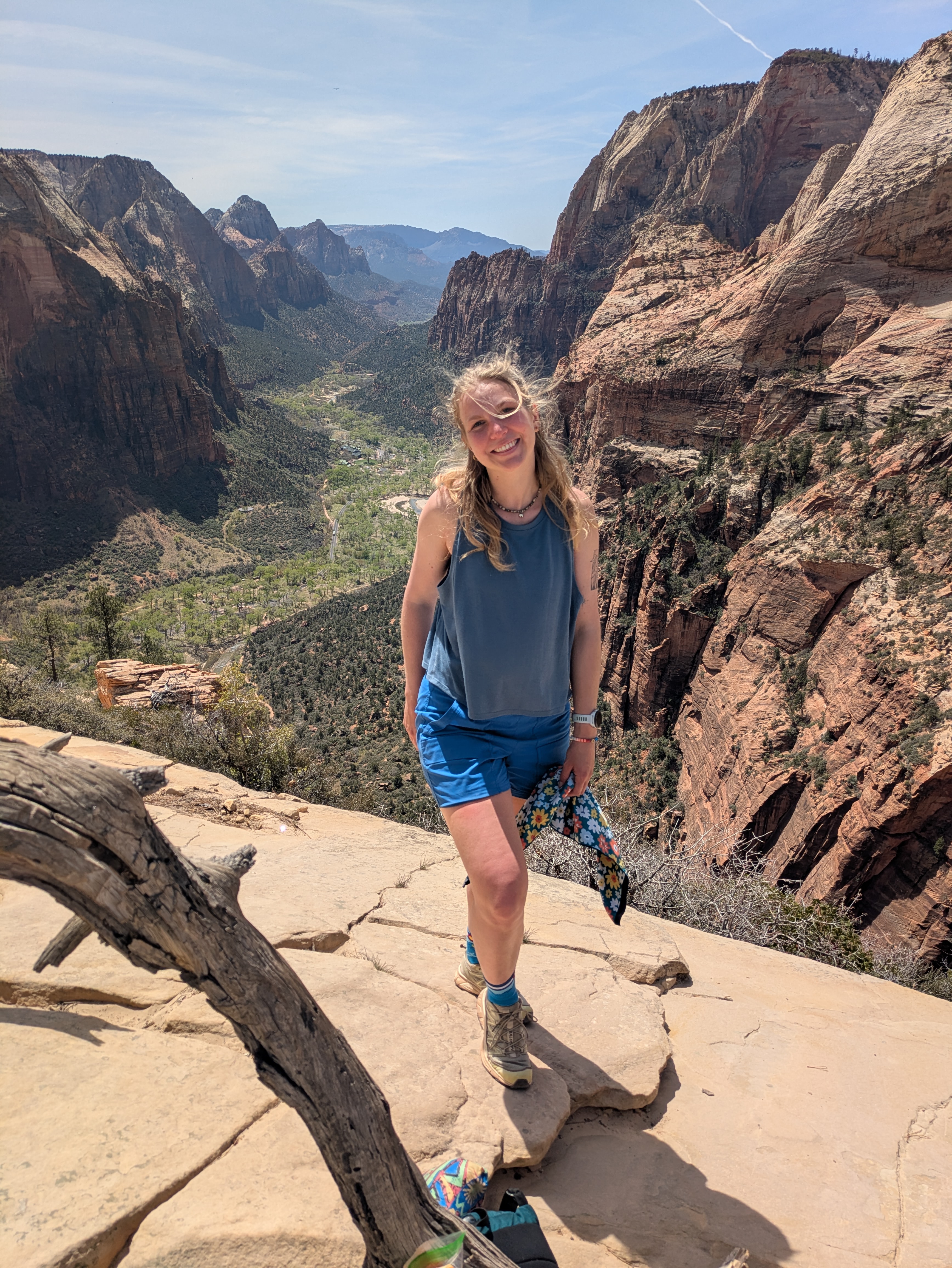
I love running, in a job where I sit almost all day, I feel the urge to move in my free time. I especially love trail running.
Can you name one thing you particularly appreciate at the Earth and Life Institute?
I really love the diversity of topics at our institute. I can mostly speak for ELI-C, where subjects range from tick-borne diseases, to glacier melt, to deforestation in the Amazon. This diversity always brings interesting discussions at the cafeteria.